Charting Compliance Pathways for Bonus Incentives During Mobile Sign-Ups in Britain's Live Football and Equestrian Betting Ecosystems
Operators in Britain navigate intricate regulatory requirements when they structure bonus incentives that activate during mobile sign-ups for live football and equestrian betting markets, and data from industry reports shows these pathways must align with verification protocols, responsible gambling measures, and promotional fairness standards that apply across digital platforms.
Mapping Mobile Sign-Up Procedures in Live Markets
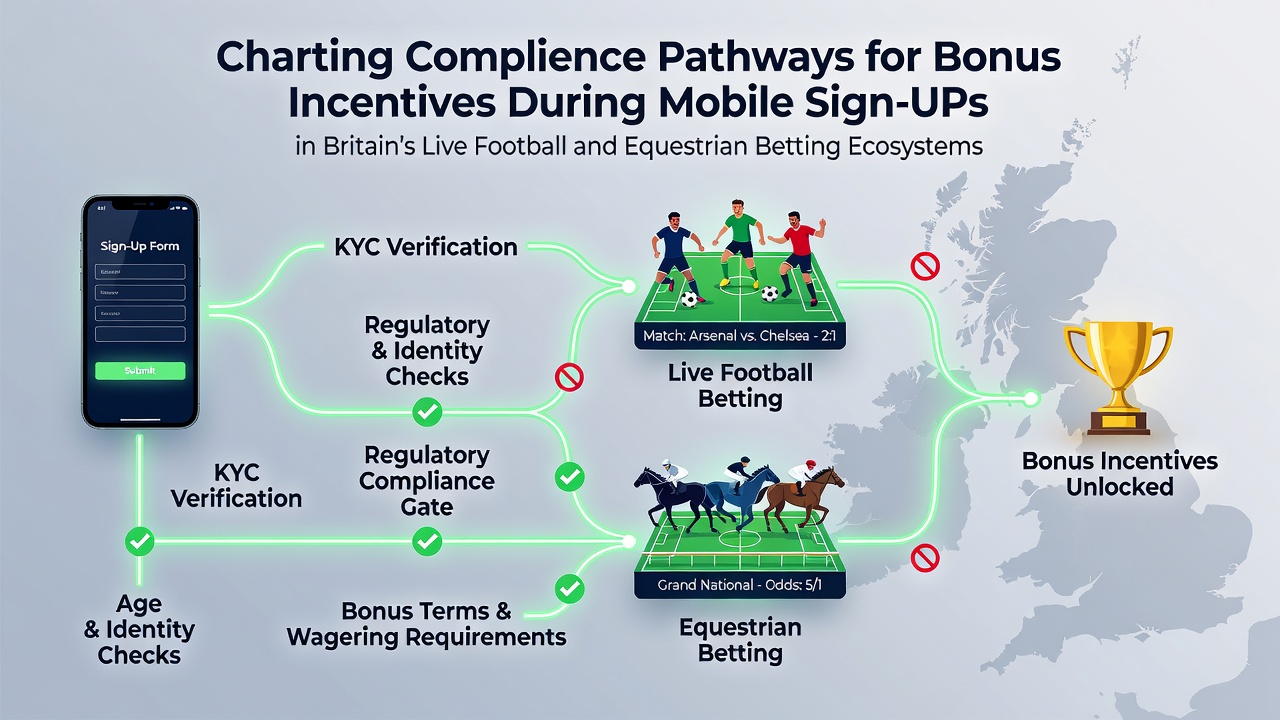
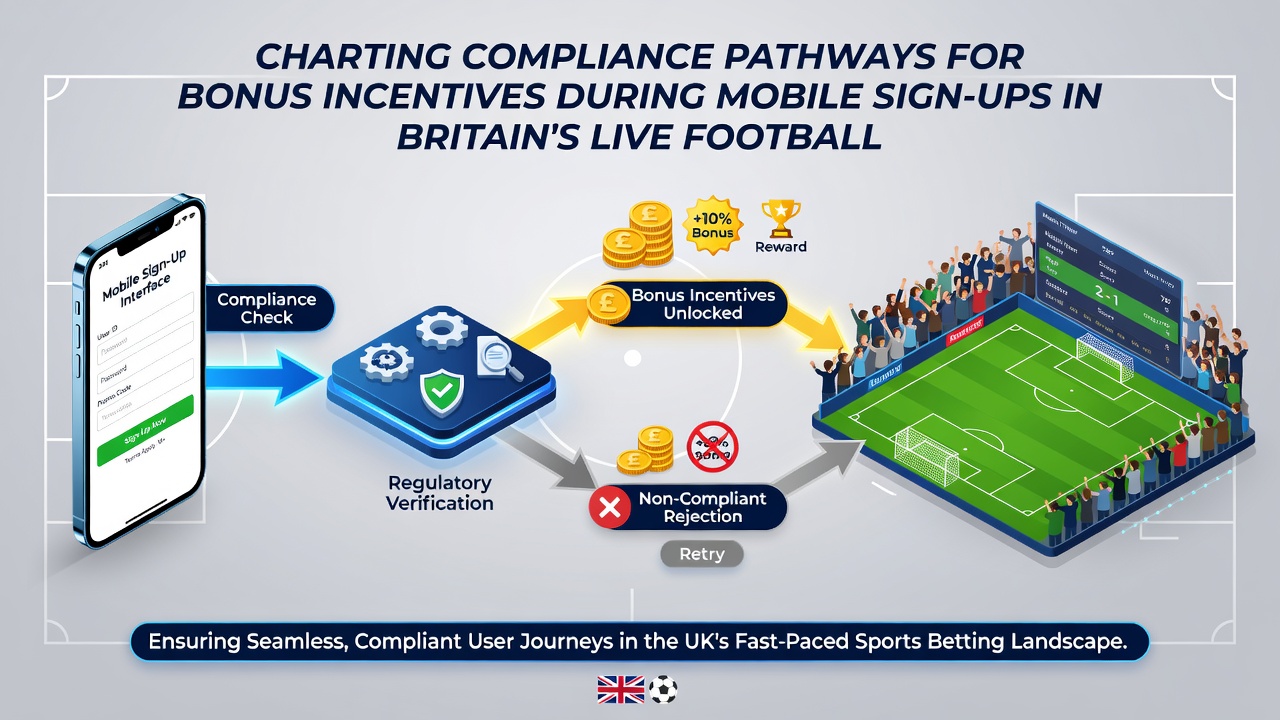
Live football and equestrian events generate rapid user engagement on smartphones, so compliance frameworks require operators to embed identity checks and age verification steps directly into the sign-up flow before any bonus becomes accessible, and researchers at academic institutions have documented how these steps reduce eligibility disputes while maintaining market integrity. Studies from European regulatory bodies indicate that streamlined mobile processes, when paired with real-time data validation, support higher completion rates without compromising oversight obligations that govern promotional offers.
Bonus Structures and Incentive Triggers
Bonus incentives in this ecosystem often take the form of matched deposits or free bet credits that unlock once a new account completes initial verification and places a qualifying wager on live events, yet operators must document every trigger condition to satisfy audit trails demanded by oversight entities. Figures from trade associations reveal that equestrian markets, with their seasonal race calendars, and football leagues, with their dense fixture lists, both rely on these timed incentives to drive mobile adoption, provided the terms remain transparent and non-misleading throughout the customer journey.
One compliance pathway involves integrating geo-location tools that confirm users operate within permitted British jurisdictions before bonus activation occurs, and this technical layer connects with broader data protection rules that govern how personal information flows during the sign-up sequence. Observers note that platforms handling both football and equestrian content frequently adopt modular compliance systems, allowing updates to bonus rules without disrupting existing account workflows.
Regulatory Alignment Across Sectors
September 2026 marks the scheduled introduction of updated digital verification standards that will affect how operators deliver bonus incentives during mobile sign-ups, and preparatory guidance from international gaming associations highlights the need for preemptive system testing to accommodate these changes. Data indicates that equestrian betting platforms, which often feature cross-border event coverage, and football operators focused on domestic leagues must both recalibrate their promotional logic to meet the forthcoming benchmarks for transparency and user protection.
Those who have examined compliance records find that successful pathways incorporate layered review stages, where legal teams assess bonus wording, technology teams validate automated triggers, and compliance officers simulate user flows to identify potential gaps. Reports from research institutions in Canada demonstrate that such multi-stage processes correlate with fewer regulatory queries when operators expand into live event betting segments.
Practical Implementation Examples
Take the case where an operator launches a mobile-exclusive bonus tied to a major football match day, and the system automatically withholds credit until the user completes two-factor authentication, and similar sequencing applies to equestrian sign-ups ahead of major festival meetings, ensuring parity across different sporting verticals. Industry statistics show these sequenced approaches maintain user trust while satisfying the evidentiary requirements that external auditors examine during periodic reviews.
Another pathway links bonus eligibility directly to responsible gambling settings that users select at sign-up, and this integration draws on findings from Australian studies that link early intervention tools with sustained compliance outcomes. Operators therefore embed toggles for deposit limits and self-exclusion options before any incentive activates, creating a documented record that aligns with broader consumer protection expectations.
Future Pathways and System Adaptations
Looking toward September 2026, platforms active in Britain's live football and equestrian spaces are testing enhanced API connections that will feed real-time compliance data into central monitoring systems, and preliminary models suggest these connections will streamline reporting on bonus distribution patterns across mobile channels. External analyses from academic sources in the United States indicate that early adoption of interoperable verification standards reduces operational friction when multiple sporting markets operate under unified promotional rules.
Operators also examine how artificial intelligence can flag anomalous sign-up patterns that might indicate bonus misuse, and these tools operate alongside human oversight to preserve fairness in both high-volume football sessions and specialized equestrian windows. Trade data reveals that such hybrid monitoring supports scalable growth without expanding regulatory exposure.
Conclusion
Compliance pathways for bonus incentives during mobile sign-ups continue to evolve within Britain's live football and equestrian betting ecosystems, driven by technical requirements, verification standards, and scheduled regulatory updates that include those arriving in September 2026. Operators who integrate layered checks, transparent terms, and adaptive systems position themselves to meet existing obligations while preparing for forthcoming benchmarks, and available evidence from multiple jurisdictions supports the effectiveness of these coordinated approaches across diverse sporting markets.